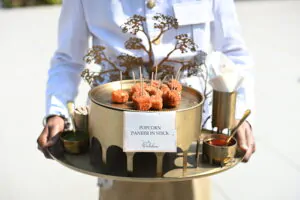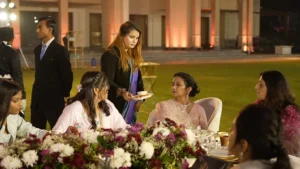
Indian weddings are many things simultaneously — religious ceremony, family reunion, social showcase, and above all, a multi-day feast. The food at a wedding is not background; it is one of the primary ways guests will remember and judge the event. Families who spend months on décor and venue selection sometimes give catering less than a week of serious thought. This is almost always a mistake.
After catering hundreds of weddings across Rajasthan and major Indian cities, here is our consolidated guide to building a wedding catering plan that works.
Start With Functions, Not a Menu
A wedding is not one meal — it is a series of distinct events, each with its own character, timing, and guest mix. Before thinking about any specific dish, map out the function calendar:
- How many functions will be catered?
- What is the expected guest count for each — they will differ significantly
- What is the tone of each function — intimate, festive, formal?
- What time of day is each function?
- Are they at the same venue or multiple locations?
This map is the foundation. Everything else — menus, staffing, logistics — is built on top of it.
Match Menu Format to Function
A common mistake is applying the same service format across all functions. We recommend:
- Mehendi / Haldi: Informal, grazing format. Chaat stations, finger foods, light thali. No full buffet needed.
- Sangeet: Cocktail or semi-buffet format. Live stations create energy and engagement. Finger foods, small plates, interactive counters.
- Baraat: Street food celebration. High energy, robust flavours, easy to eat standing.
- Wedding ceremony: Light refreshment service during pheras — not a meal, but guests need water and something small.
- Main reception / lunch / dinner: Your flagship catering event. Full buffet or plated depending on scale and formality.
The Live Station Principle
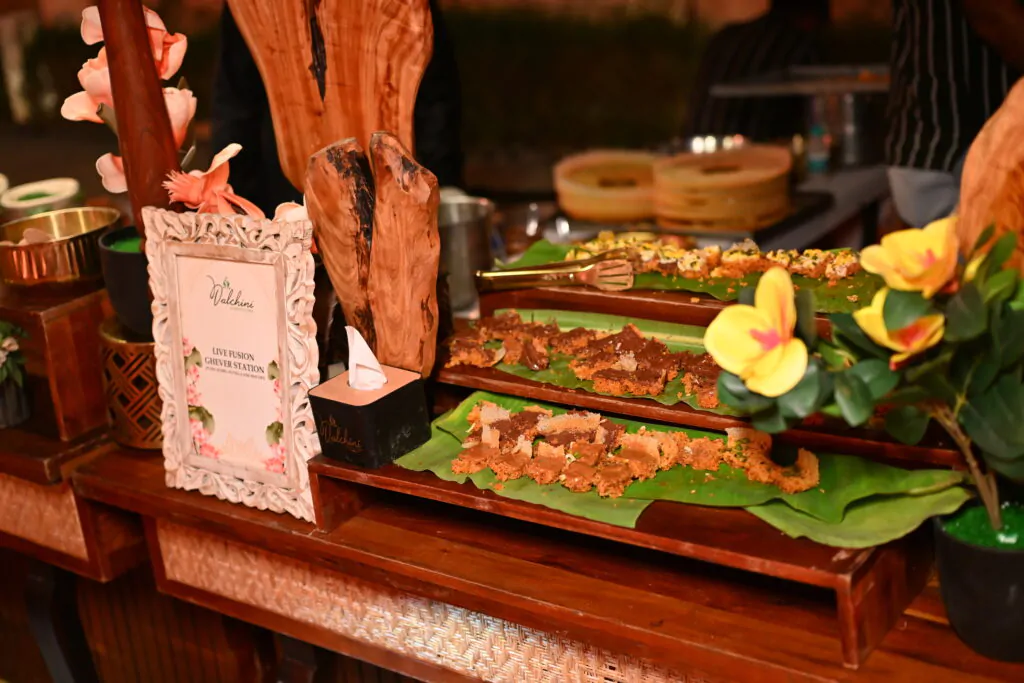
At every wedding, there is one station where guests cluster and linger. It is almost never the main buffet — it is a live station. Live tandoor, live chaat, live jalebi being fried, live pasta. The reason is simple: people are drawn to process, to watching something being made for them in real time.
We recommend at least two live stations at any wedding over 200 guests, and we place them intentionally — away from the main buffet to distribute flow, and near areas where guests might naturally congregate.
A live tandoor does something no buffet counter can: it fills the venue with the smell of wheat browning on fire. That smell is memory. That smell is Rajasthan.
How to Handle Dietary Requirements
Modern weddings have genuinely diverse dietary requirements — Jain guests, vegans, guests with allergies, international guests unfamiliar with Indian spice levels. The worst approach is to make one menu that tries to satisfy everyone and ends up satisfying nobody.
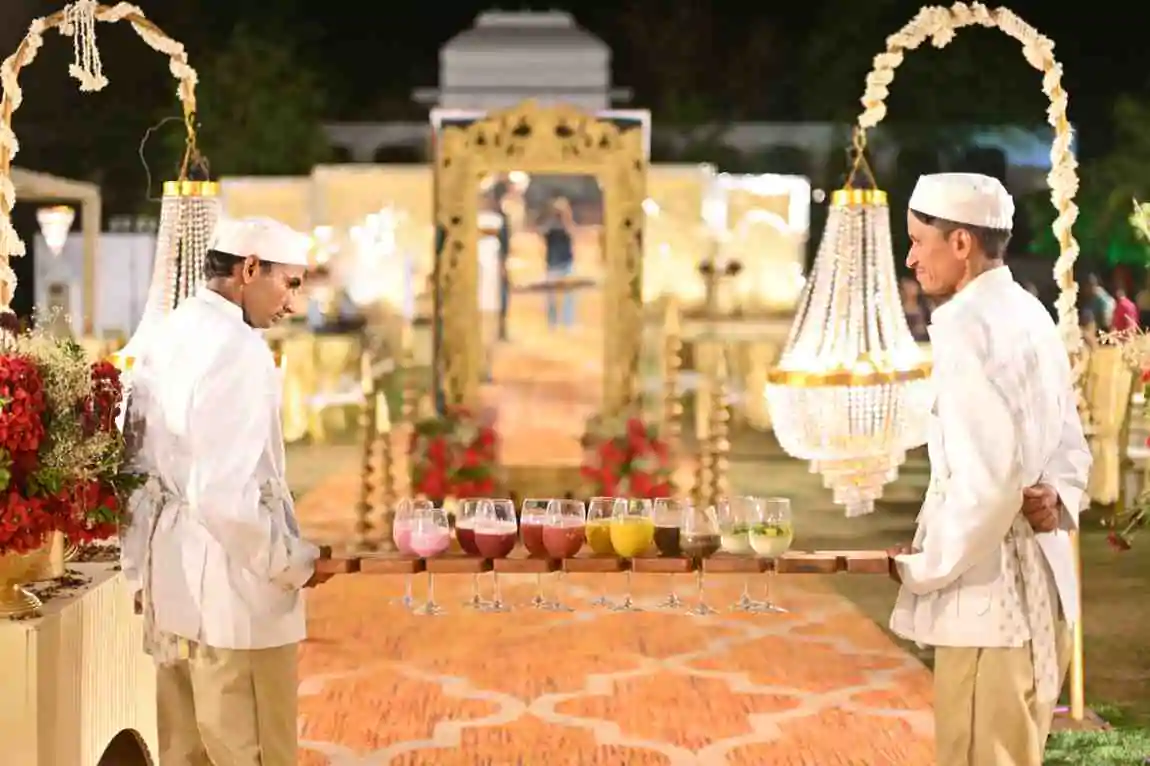
Our approach: build a primary menu that reflects the hosts’ culinary identity, then create clearly labelled dedicated sections for Jain, vegan, and low-spice options. These should be real, well-cooked dishes — not afterthoughts. A Jain guest who finds only two options at an otherwise abundant buffet will remember the shortage, not the abundance.
The Budget Conversation Nobody Wants to Have
Catering budgets in India are often set without context. A family might have a number in mind — say, ₹1,200 per plate — without knowing that for their specific function type, scale, and menu vision, the realistic number is ₹1,800.
We would rather have this conversation early — ideally at the first meeting — than arrive at a compromise menu neither side is proud of. A smaller guest list with excellent food is almost always better than a large one with adequate food.
What to Ask Any Caterer Before Booking
- What events of similar scale have you done in the last 12 months?
- Who specifically will be the lead chef and operations head on our event?
- What is included in your quote — equipment, staffing, cleanup?
- What is your contingency plan if something goes wrong on the day?
- Can we do a tasting before we confirm?
A caterer who cannot answer all five clearly is not ready for a large wedding.
The Tasting
Always do one. A tasting is not about approving every dish — it is about calibrating expectations, giving feedback on spice levels and portions, and building confidence in the relationship. We treat every tasting as seriously as the event itself: same ingredients, same recipes, same plating standards.
If a caterer does not offer a tasting or discourages you from requesting one, that tells you something important.