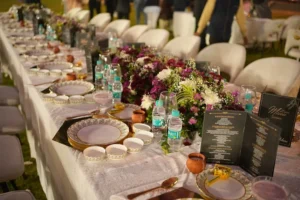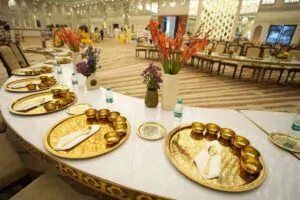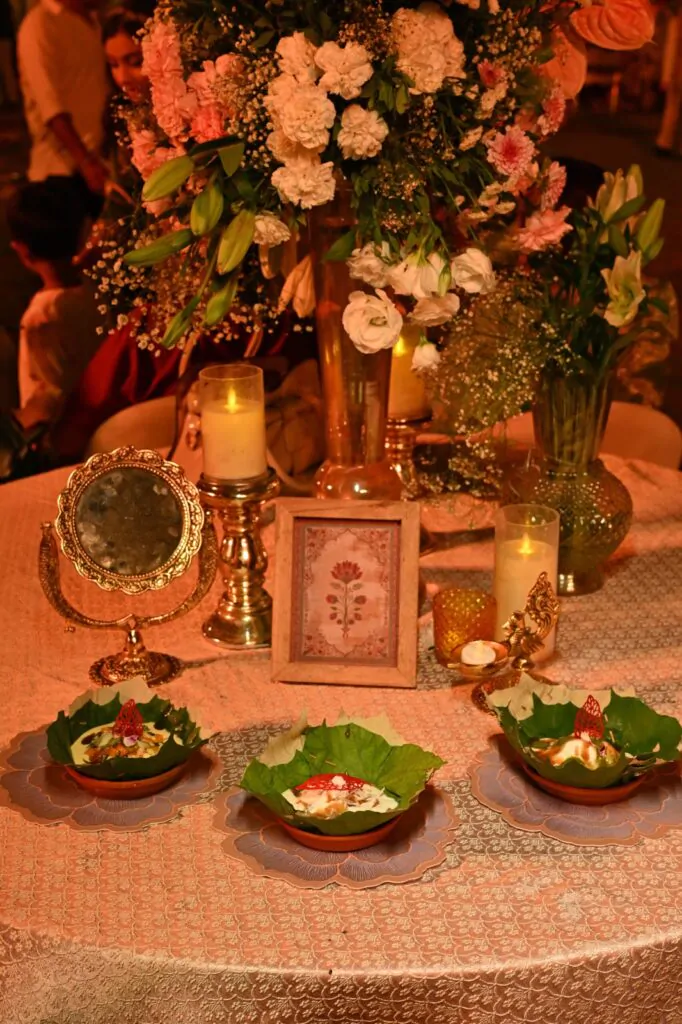
A live chaat counter can turn an ordinary event food setup into an interactive and memorable dining experience. Unlike pre-plated snacks or buffet dishes that guests simply pick up and eat, a live chaat station brings preparation, customization, aroma, color, and interaction directly into the event. Guests can watch their preferred chaat being assembled, choose toppings and spice levels, and enjoy freshly prepared servings according to their taste. From weddings and engagement ceremonies to birthday celebrations, corporate events, festive gatherings, exhibitions, and private parties, a well-planned chaat counter can become one of the most popular food attractions at the venue.
Planning a successful chaat counter, however, requires more than simply choosing a few popular Indian snacks. The menu, presentation, hygiene, staffing, serving flow, ingredient preparation, counter placement, guest preferences, and overall event theme all need to work together. For hosts searching for Best Chaat Caterers in Jaipur, Chaat Caterers in India, or Professional Chaat Caterers in India, choosing an experienced catering team can make a significant difference. At Dalchini Caterers, a live chaat experience can be planned as part of a broader event menu, combining traditional Indian flavors with attractive presentation and professional service. Whether you are organizing a large wedding or an intimate celebration, the right chaat counter can provide both great food and an engaging experience for your guests.
Why a Live Chaat Counter Is Perfect for Events
Chaat has a unique position in Indian cuisine because it combines contrasting flavors and textures in a single serving. Crisp papdi, soft potatoes, tangy chutneys, creamy yogurt, aromatic spices, fresh coriander, crunchy sev, pomegranate, and other toppings can come together to create a dish that is both visually attractive and flavorful. A live counter takes this experience further by allowing guests to see the preparation process.
The interactive nature of a live counter is particularly suitable for social events. Guests naturally gather around the station, watch the preparation, discuss their preferred combinations, and customize their portions. This can create a lively atmosphere during the period between ceremonies, performances, speeches, or dinner service. At weddings, for example, a beautifully decorated chaat station can become a destination in itself, particularly when the menu includes several familiar favorites presented in an appealing way.
Another advantage is flexibility. Different guests have different preferences for sweetness, spice, sourness, yogurt, chutneys, and toppings. A live counter allows those preferences to be accommodated more easily than a fixed pre-plated snack.
Decide the Purpose of Your Chaat Counter
Before selecting the menu, decide what role the chaat counter will play in your event. It could be a welcome snack station, an evening snack attraction, part of a wedding food spread, a late-night food option, or one of several interactive food stations.
For a wedding, the counter may be positioned as a colorful experience alongside other live stations. For a corporate event, the menu may need to be simpler and faster to serve because guests often have limited time. For a private celebration, the host may prefer a more customized selection based on family favorites.
Understanding the purpose helps determine how many dishes should be offered, how much staffing is required, and where the counter should be positioned. A station designed for hundreds of wedding guests will need a very different service setup from one designed for a small family gathering.
Select the Right Chaat Menu
Menu planning is one of the most important parts of creating a successful chaat counter. The objective should not necessarily be to offer every chaat dish available. A carefully selected menu with variety is often more effective because it keeps the counter manageable while giving guests enough choice.
Popular options can include pani puri, dahi puri, papdi chaat, aloo tikki chaat, sev puri, bhel puri, raj kachori, dahi bhalla, samosa chaat, and regional variations. Depending on the event and guest profile, the menu can also include more contemporary presentations or specialty preparations.
The best selection usually combines different textures and flavor profiles. Crispy options can be balanced with yogurt-based dishes, spicy preparations can be accompanied by milder choices, and traditional recipes can be paired with a signature item.
For wedding events, hosts can also select dishes that connect with the overall regional or cultural theme of the celebration. A menu inspired by Rajasthan, North India, or broader Indian street-food traditions can create a stronger culinary identity.
Keep the Menu Diverse but Focused
One common mistake when planning a live counter is offering too many dishes. Although variety sounds attractive, an excessively large menu can slow service and create unnecessary complexity.
A better approach is to select a few signature dishes that cover different preferences. For example, pani puri can provide a refreshing and interactive experience, dahi puri can offer a creamy and tangy option, papdi chaat can provide crunch and texture, and aloo tikki can deliver a warm and hearty preparation.
The exact combination should depend on the event size, guest demographics, time available, and other food stations.
A professional catering team can also recommend combinations based on the rest of the menu. If the event already includes several rich or fried appetizers, a chaat selection with fresh chutneys, yogurt, herbs, and lighter components can provide balance.
Plan the Chaat Counter Layout
The physical arrangement of the counter affects both guest experience and service speed. A live station should be easy to locate without becoming an obstruction in the main dining area.
The counter should ideally have sufficient space for ingredients, preparation equipment, serving bowls, utensils, garnishes, and waste management. The serving side should be clearly separated from the preparation area where possible. This helps maintain a more organized workflow.
For larger weddings, multiple serving points may be required. Instead of having every guest stand in one queue, separate stations can be created for different dishes or preparation steps. This reduces congestion and allows the catering team to serve guests more efficiently.
Counter placement should also consider guest movement. It should be accessible but not positioned directly in a narrow entrance, near a stage pathway, or in an area where queues could interfere with other activities.
Make Presentation Part of the Experience
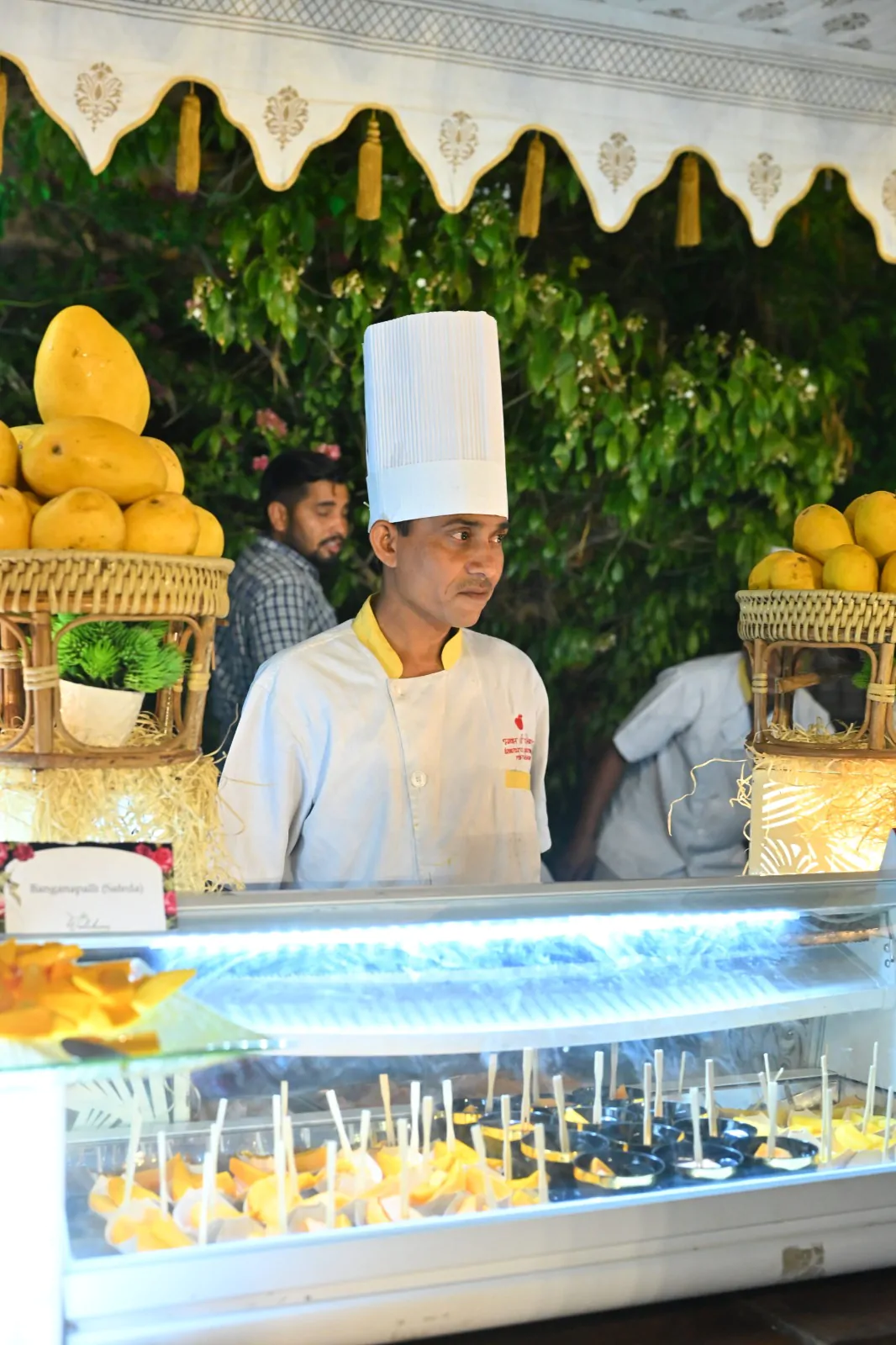
A live chaat counter is naturally colorful, which means presentation can play a major role in attracting guests. Fresh coriander, chutneys, spices, yogurt, vegetables, sev, papdi, and other ingredients can create an appealing visual display.
For weddings and premium celebrations, the counter can be designed to match the event’s décor. Traditional Indian styling, elegant contemporary décor, colorful Rajasthani influences, floral details, brass-inspired serving elements, or minimalist luxury themes can all be explored depending on the overall event concept.
The goal should be to create a counter that looks inviting without sacrificing functionality. Decorative elements should never interfere with food preparation or service.
A well-presented station can also become a natural photo opportunity. Guests often photograph attractive food displays, especially at weddings and social events. This gives the chaat counter an additional role within the overall event experience.
Focus on Freshness
Freshness is essential for a live chaat station because many ingredients are best served shortly after preparation. Crisp components need to remain crisp, chutneys should be properly stored, yogurt should be maintained at appropriate temperatures, and fresh garnishes should be handled carefully.
Preparation should therefore be divided between advance work and live assembly. Ingredients that require cooking or extensive preparation can be prepared ahead of time according to appropriate food-safety procedures, while final assembly can happen at the counter.
This approach provides the convenience of advance preparation while preserving the appeal of freshly assembled food.
Guests are likely to notice the difference between a chaat dish that has been sitting for a long time and one prepared immediately before serving. The latter generally offers better texture and a more engaging experience.
Hygiene Should Be a Priority
For any live food counter, hygiene should be treated as a fundamental part of event planning rather than an optional feature. Since guests can see the preparation process, the catering team should maintain a clean and organized working environment throughout service.
Food handlers should follow appropriate hygiene practices, use clean utensils, maintain ingredient storage properly, and manage waste efficiently. Ingredients requiring temperature control should be handled according to food-safety requirements.
A professional catering setup should also include sufficient serving equipment and cleaning arrangements so that the counter remains presentable during the entire event.
This is particularly important for large weddings where the same station may serve hundreds of people over several hours. Consistent hygiene and organization help protect food quality and contribute to guest confidence.
Choose Chutneys Carefully
Chutneys are one of the defining elements of chaat. They can dramatically change the flavor profile of a dish and allow guests to personalize their serving.
A well-planned counter may offer a combination of sweet, tangy, spicy, and refreshing chutneys. Tamarind-based preparations provide sweetness and acidity, while mint and coriander chutneys contribute freshness and spice.
The balance between chutneys is important. If one chutney is overly dominant, it can mask the flavors of the other ingredients. Professional chaat preparation relies on proportion, consistency, and seasoning.
For larger events, chutneys should also be prepared in sufficient quantity so that popular options do not run out during peak service.
Consider Different Spice Preferences
Not every guest enjoys the same level of spice. Children may prefer mild flavors, while some guests may actively seek extra spice.
A live counter provides an easy opportunity to accommodate these differences. Guests can request more or less chili, additional chutney, extra yogurt, or specific toppings.
The serving team should be trained to communicate clearly with guests and understand customization requests. This is one of the advantages of working with Professional Chaat Caterers in India, particularly for events with a diverse guest profile.
A small amount of customization can significantly improve the guest experience because people feel that the food is being prepared specifically for them.
Plan for Guest Volume
Guest count is one of the first numbers your caterer needs when planning a live chaat counter. However, total attendance is not the only consideration. The catering team also needs to understand how many guests are likely to visit the counter at the same time.
At a wedding, for example, a large percentage of guests may arrive at the chaat station within a short period. This creates a peak-demand situation.
The catering team should therefore plan ingredient quantities, staff numbers, serving bowls, utensils, preparation space, and counter capacity around expected peak demand rather than simply average consumption.
For large events, multiple staff members can work simultaneously, with one person preparing ingredients, another assembling dishes, and another handling toppings or serving. This division can improve speed without compromising presentation.
Weddings and Chaat Counters: A Natural Combination
Indian weddings are particularly well suited to live chaat counters because food is an important part of the celebration. Guests often enjoy discovering different flavors while moving between ceremonies and entertainment areas.
Weddings Chaat Caterers in Jaipur can help couples design a station that fits naturally into the wedding’s overall food experience. The counter can be positioned near the welcome area, during the evening celebration, alongside other live stations, or as part of a dedicated street-food zone.
For destination weddings, the chaat counter can also introduce guests to popular Indian flavors. International guests may enjoy watching the preparation and discovering dishes they have not previously tried.
In this situation, simple menu descriptions can be useful. Guests unfamiliar with certain dishes can understand the main ingredients and flavor profile before ordering.
Chaat Catering for Corporate Events
Chaat is not limited to weddings and social celebrations. Corporate events can also benefit from an interactive food station.
At conferences, exhibitions, product launches, office celebrations, and employee gatherings, a live chaat counter can provide a more engaging alternative to conventional snack service. Because dishes can be assembled quickly, the counter can work effectively during breaks when guests have limited time.
Corporate events generally benefit from an efficient menu with fewer complicated options. The presentation can remain professional while the food retains its familiar Indian character.
For businesses looking for Chaat Caterers in India, the catering team should be able to adapt the menu and service style to the event format rather than using exactly the same setup for every occasion.
Selecting Professional Chaat Caterers in India
Choosing the right catering partner is one of the most important decisions when planning a live station. An experienced caterer should understand menu planning, food quantities, preparation workflows, staffing, presentation, hygiene, and event logistics.
When comparing Professional Chaat Caterers in India, event organizers should look beyond menu variety and ask about the complete service experience. How will the counter be arranged? How many staff members will be present? How will ingredients be stored? What happens during peak demand? Can the menu be customized? Can the setup match the event décor? These questions help establish whether the caterer can deliver a reliable live experience.
A professional team should also be comfortable adapting to venue conditions. Indoor and outdoor events can have different requirements, and destination events may require additional logistical planning.
Dalchini Caterers: Creating Memorable Chaat Experiences
At Dalchini Caterers, a live chaat counter can be incorporated into a complete event catering plan rather than treated as an isolated food station. This allows the chaat menu, presentation, service style, and quantity planning to work together with the rest of the event menu.
For wedding hosts, the station can be developed around the celebration’s theme and guest preferences. For corporate and private events, the menu can be adjusted according to the expected audience and event format.
The focus should remain on freshly assembled food, attractive presentation, organized service, and a guest-friendly experience. From familiar favorites to carefully selected specialty preparations, the chaat counter can become one of the highlights of the event.
How to Make Your Chaat Counter More Memorable
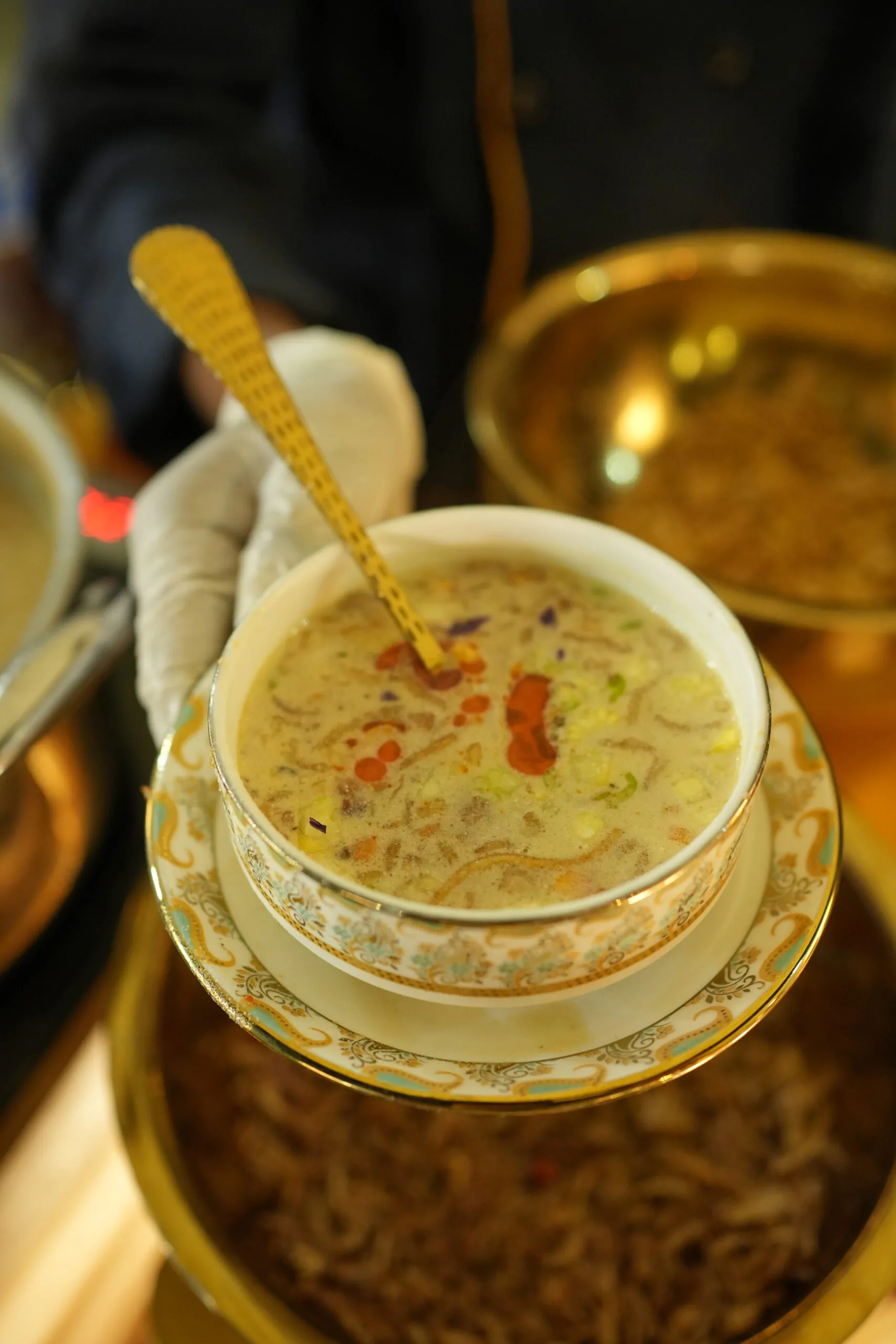
A successful live chaat counter does not require unnecessary complexity. In fact, the strongest experiences often come from getting the fundamentals right. Fresh ingredients, balanced flavors, efficient service, attractive presentation, and a well-designed menu can make a bigger impression than a counter overloaded with choices.
A signature chaat can also help create a memorable identity. The dish could have a distinctive topping, regional inspiration, presentation style, or combination of flavors that guests associate specifically with the event.
Another effective idea is to create a small tasting selection for guests who want to try different dishes. This works especially well for larger celebrations where food exploration is part of the experience.
Common Mistakes to Avoid
One of the biggest mistakes is underestimating demand. If a chaat counter becomes extremely popular but runs out of ingredients or cannot serve guests quickly, the experience can become frustrating. Proper forecasting and staffing are therefore essential.
Another mistake is prioritizing decoration over functionality. A beautiful counter is valuable, but it must still provide sufficient workspace and allow staff to serve efficiently.
Overcomplicating the menu can also create problems. Too many dishes can increase preparation requirements and slow down service. It is generally better to offer a focused menu with a few excellent options.
Finally, hygiene should never be compromised for speed. The preparation area should remain clean and organized throughout the event.
Final Checklist for Planning a Live Chaat Counter
Before confirming your chaat catering setup, make sure you have discussed the event date, venue, guest count, serving duration, menu, customization options, counter design, staffing, ingredient requirements, service flow, hygiene arrangements, and any special dietary considerations with your caterer.
A simple planning conversation before the event can prevent many operational issues. Share the complete event schedule with the catering team so they know when guests are expected to arrive and when food service will be busiest.
If the event includes multiple food stations, coordinate their placement so that guests can move naturally between them without creating bottlenecks.
Conclusion
A live chaat counter can bring together food, entertainment, personalization, and visual presentation in one experience. It gives guests the opportunity to enjoy familiar Indian flavors while watching their food being prepared and customized. With the right menu, attractive setup, fresh ingredients, trained staff, and careful planning, a chaat counter can become a memorable part of weddings, corporate events, private celebrations, and other gatherings.
For hosts searching for the Best Chaat Caterers in Jaipur, choosing an experienced catering team is important because successful live service requires much more than preparing delicious food. Menu planning, ingredient management, hygiene, counter design, staffing, guest flow, and presentation all contribute to the final experience. Similarly, businesses and event organizers looking for Chaat Caterers in India or Professional Chaat Caterers in India should evaluate the caterer’s ability to customize the experience according to the event.
For weddings in particular, Weddings Chaat Caterers in Jaipur can help transform traditional Indian street-food favorites into an attractive and interactive part of the celebration. With Dalchini Caterers, the goal can be to combine authentic flavors, professional service, thoughtful presentation, and event-specific planning to create a chaat counter that guests remember long after the celebration ends.
The best chaat counter is ultimately one that feels effortless to the guest because the planning behind it has been done carefully. When freshness, flavor, presentation, service, and hospitality come together, a simple chaat station can become one of the most talked-about food experiences at the entire event.